Upside-Down Youth — Part 1
The Social Island Under the Mask: In a City of Millions, Who Truly Knows Me?
Keywords: Loneliness, Social Media, The Longing to be Seen
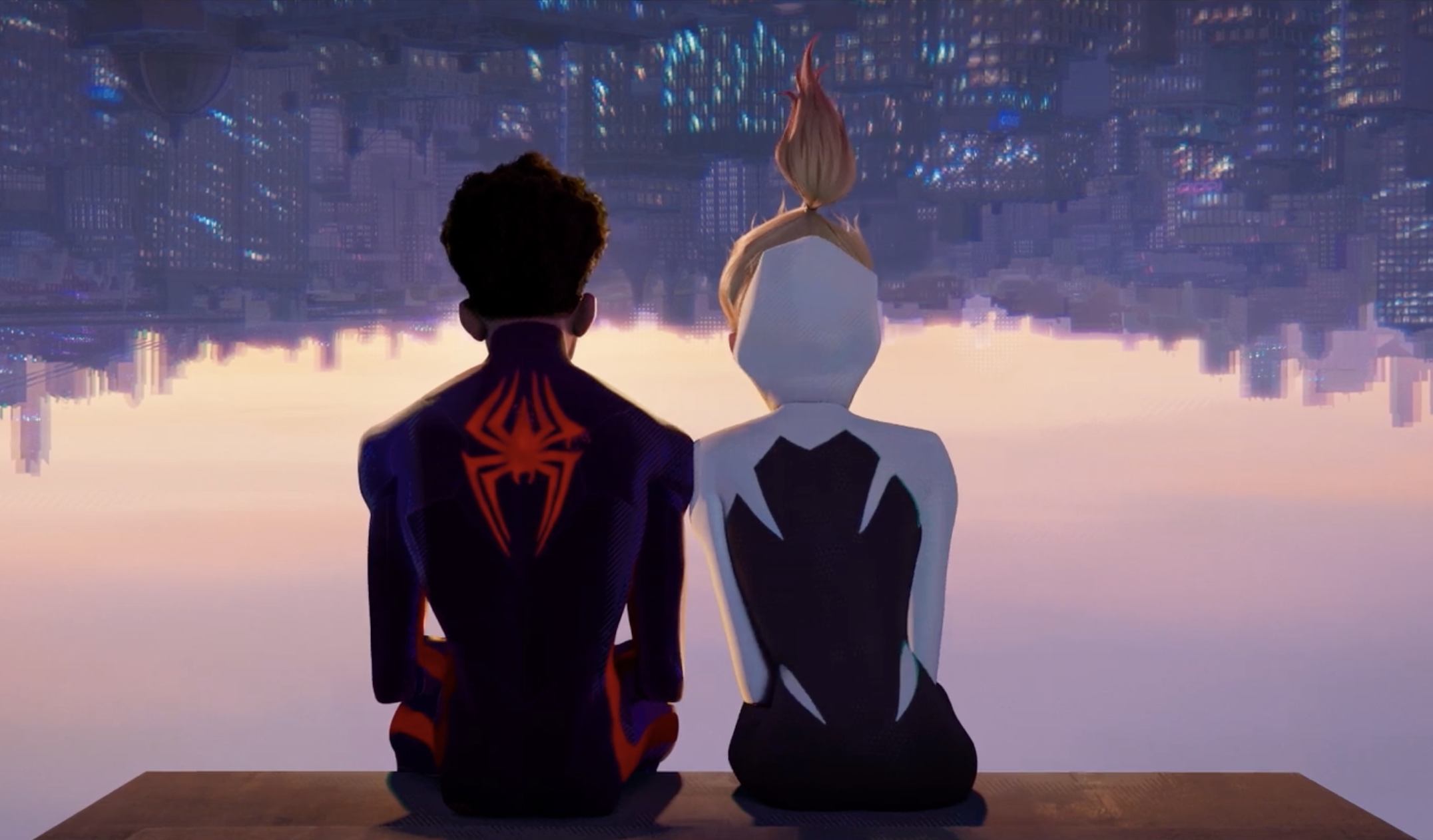
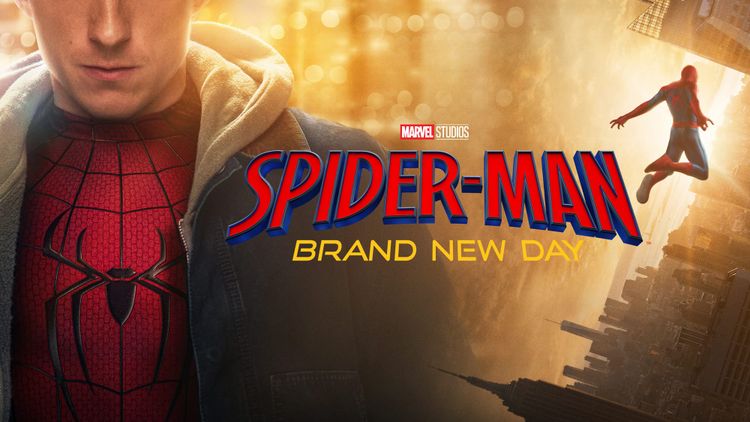
Whether in classic comic book panels or across generations of animation, the "upside-down" hang has always been Spider-Man’s most iconic pose.
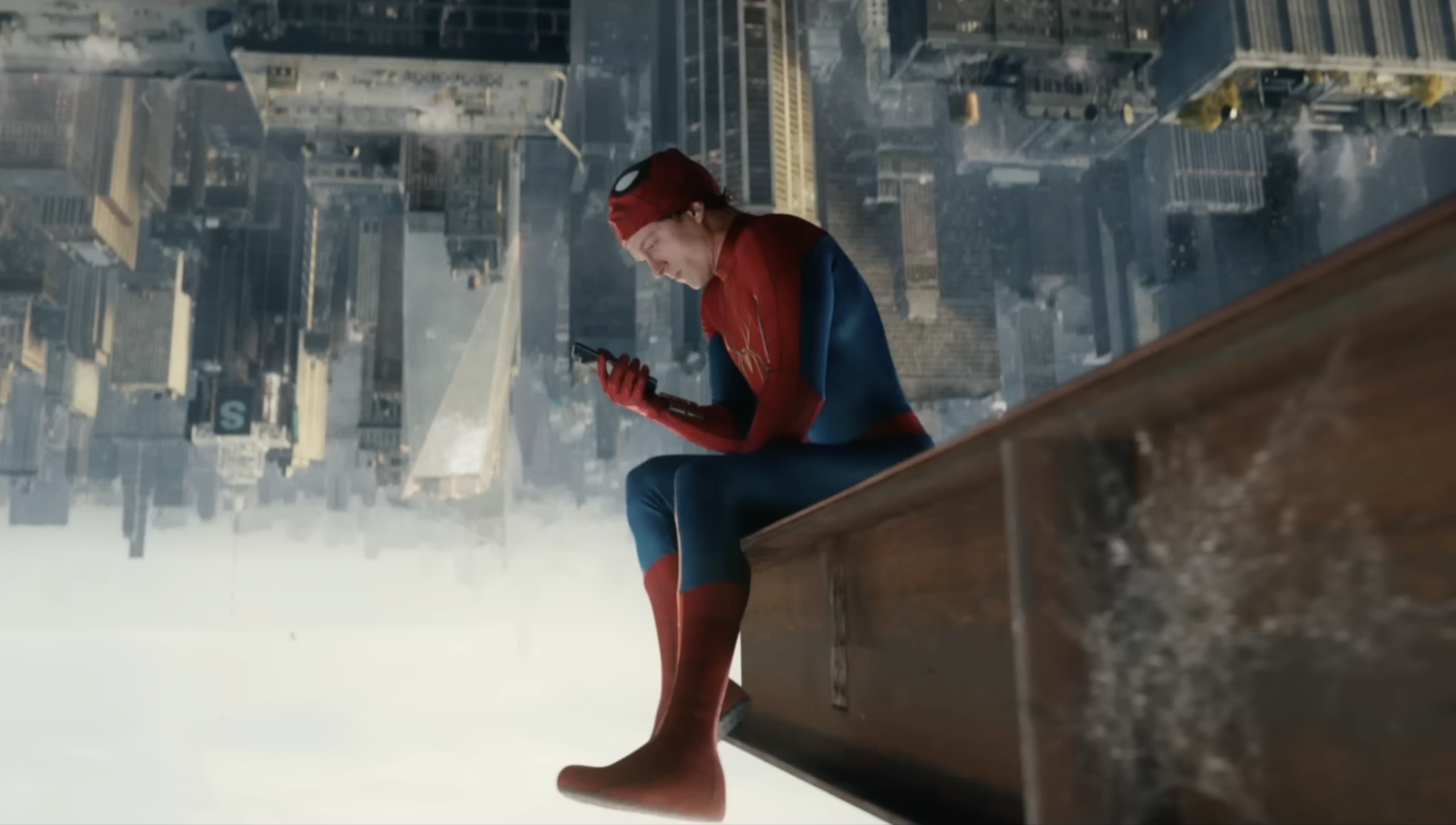
However, in the latest trailer for Spider-Man: Brand New Day, this inverted silhouette is no longer just a cool superhero entrance. It serves as a literal reflection of Peter Parker’s internal world: Upside Down.
With a gloomy and exhausted expression, Peter hangs from a steel beam, scrolling through his phone. He is stealthily watching the social media updates of his former best friends, Ned and MJ, celebrating their new school year at MIT. The screen is filled with laughter and connection; outside the screen, he exists as if in a different universe.
Because at the end of the previous film, Spider-Man: No Way Home, Peter asked Doctor Strange to cast a spell making the world forget Peter Parker to save the multiverse. The cost: his family, loved ones, and friends no longer know him. Four years have passed. He lives alone in a cramped apartment, a full-time Spider-Man who has completely lost the life of Peter Parker.
In the trailer, he even writes a letter, rehearsing how to reintroduce himself to Ned and MJ:
"Hi, my name is Peter Parker. You don’t remember me, but we used to know each other. Something very bad almost happened, and the only way to stop it was to make everyone forget me..."
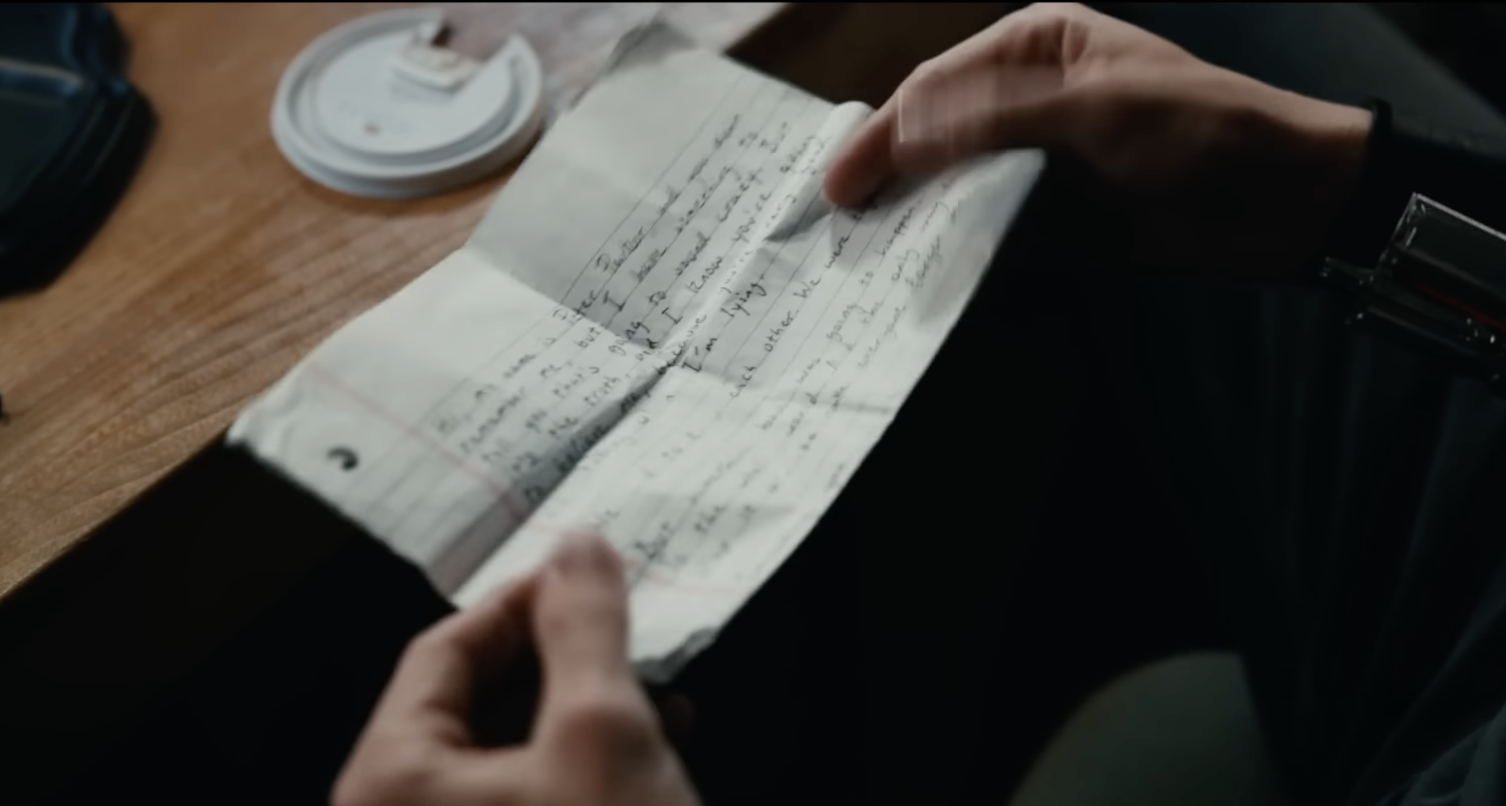
He rehearses it over and over. But he never delivers the letter.
The Paradox of the "Connected" Generation
This scene reflects the pain points of today’s youth. In this generation, friendship is the cornerstone of self-identity for adolescents. Yet, paradoxically, in an era of hyper-developed social media where one can "connect" with the world at any time, true companionship has become extremely scarce.
In The Anxious Generation, psychologist Jonathan Haidt points out that contemporary youth are experiencing an unprecedented "social loss." Social media creates a bizarre predicament: you can see everyone’s life, yet feel that no one truly sees you. You follow hundreds of friends, only to feel an unspeakable loneliness in the middle of the night.
Peter in the trailer is the epitome of this anxious generation. Watching his friends interact vibrantly on screen, he feels the crushing weight of:
"I am right in front of you, but you don't know me."
This sense of powerlessness isn’t just Spider-Man’s dilemma; it is the daily reality for millions of young people on social media.
The camera shifts—Peter resolutely dons his mask and leaps from the beam, but behind the lenses, his eyes remain sorrowful. The wind howls as he weaves through the concrete jungle of New York.
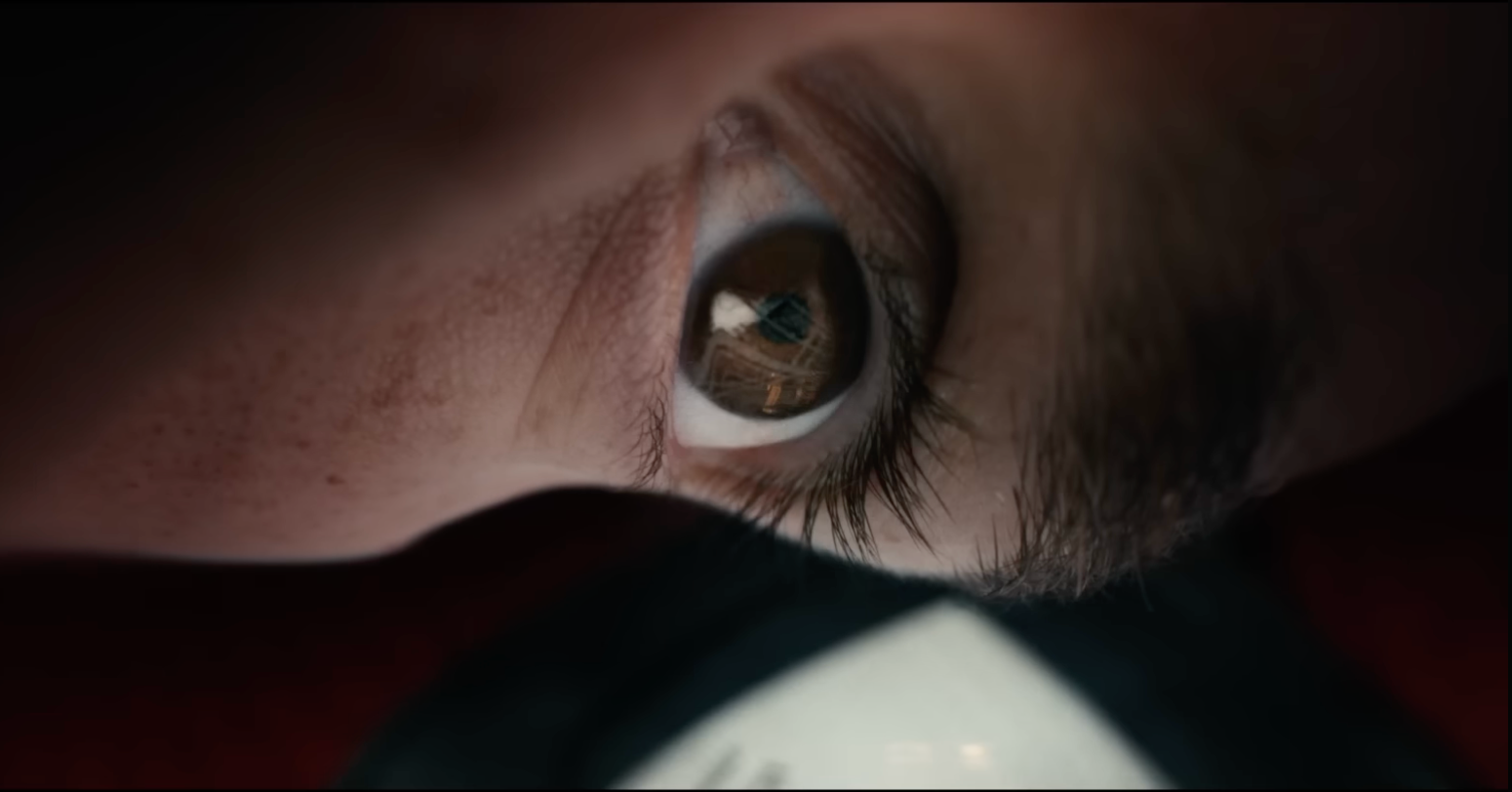
The background music in the trailer, "New York, I Love You But You're Bringing Me Down," acts as a monologue for the modern soul: We love this vibrant world, yet it constantly leaves us feeling disappointed and exhausted. Spider-Man can save millions, but he cannot make a single person know the man behind the mask.
Aren’t many young people today living behind "invisible masks"? They present strength, humor, or indifference to meet the expectations around them. But beneath the mask lies a lonely soul longing for authentic visibility and connection.
💡 Finding a Way Out: For the Self on a Social Island
"Perhaps the problem isn't that no one knows me—it's that I haven't known my true self yet."
In The Freedom of Self-Forgetfulness, Timothy Keller presents a startling insight: we live so exhaustedly not because we care too little about ourselves, but because we are "too concerned with how we look in the eyes of others."
Keller uses a powerful metaphor: our hearts are like a courtroom. We are constantly on trial: "What do others think of me? Am I good enough? Am I accepted?" Social media is the most brutal jury in this court. Every like, every comment, and every "read receipt" feels like a vote determining our worth.
But Keller argues that the freedom of the Gospel isn't "You're great, so don't care." It's that the court has adjourned. The trial regarding "whether you are good enough" is over. The verdict is in. You are fully accepted—not because of your performance, but because of grace.
When the court adjourns, you no longer need the applause of social media to prove you exist. You can start asking a different question: not "Who knows me?" but "Who am I?"
Bill Burnett and Dave Evans, authors of Designing Your Life, also remind young people: you don't need the "one right answer" to start moving. Life is not an equation to be solved; it is a work to be designed.
They suggest using "Reframing" to face hardship. Peter Parker's problem seems to be "no one knows me," but perhaps the deeper question is: "When no one is applauding for me, do I still know who I am?"
If you are on a social island, try this:
Drop the pressure to "fix everything" and run a small "Prototype." Find one person for one real conversation—not a "like" on social media, but a face-to-face or voice chat to share your true state. Like Peter rehearsing that letter, perhaps the first step isn't finding all the answers, but gathering the courage to say: "Hi, I want you to know the real me."
💡 Finding a Way Out: For Companions and Parents
"Don't try to be their social media algorithm—be their safe landing zone."
If you are a mentor or parent, a core concept from Hunt, Gather, Parent is worth pondering: instead of "preaching," learn to "be with."
After studying ancient parenting cultures, author Michaeleen Doucleff found that the families most successful at raising confident, emotionally healthy children weren't those constantly "communicating" or "guiding." Rather, they were those who were quietly present, letting the child feel "You are here."
In her "TEAM" method, the T stands for Togetherness. Not a "I'm with you to teach you" presence, but a "I'm right here, you don't need to perform" presence.
When parents see children addicted to social media, the first reaction is often anxiety and control. But research suggests that what young people seek on social media is essentially "visibility" and "belonging." If they are truly seen and unconditionally accepted at home, the thirst for external validation naturally subsides.
Parenting with Hope also reminds us: children don't need us to be their mechanics; they need us to be their witnesses. Whatever they look like under the mask, you are there.
Peter Parker's pain comes not only from being unknown but from having no safe place to take off the mask. Are you willing to be that place?
It requires no special skills. Perhaps it’s just sitting quietly nearby while they scroll. Or placing a warm drink on the desk when they "don't want to talk." Don't ask "What's wrong?"; just let them know that here, the mask can come off.
Next Preview: Spider-Man is awarded the Key to the City, and the whole town cheers. But when he returns to that cramped, dark apartment, no one is there to save him. This "No Credit Given" tragedy is the silent cry of countless young hearts...