Upside-Down Youth Part 3
Transformation, Guidance, and Hope
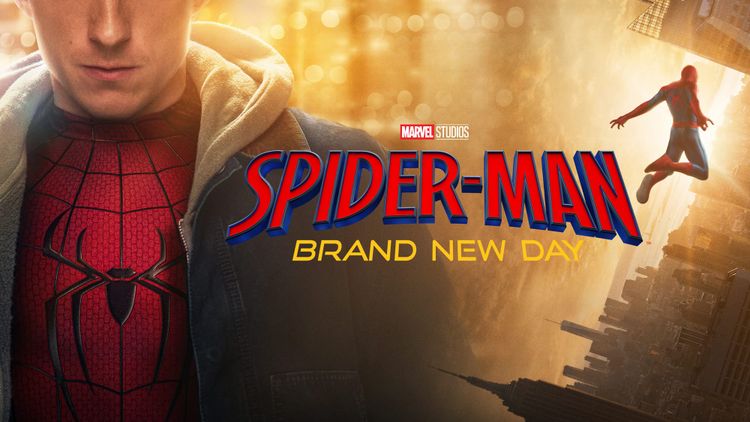
In the middle of the trailer, the visuals take a shocking turn.
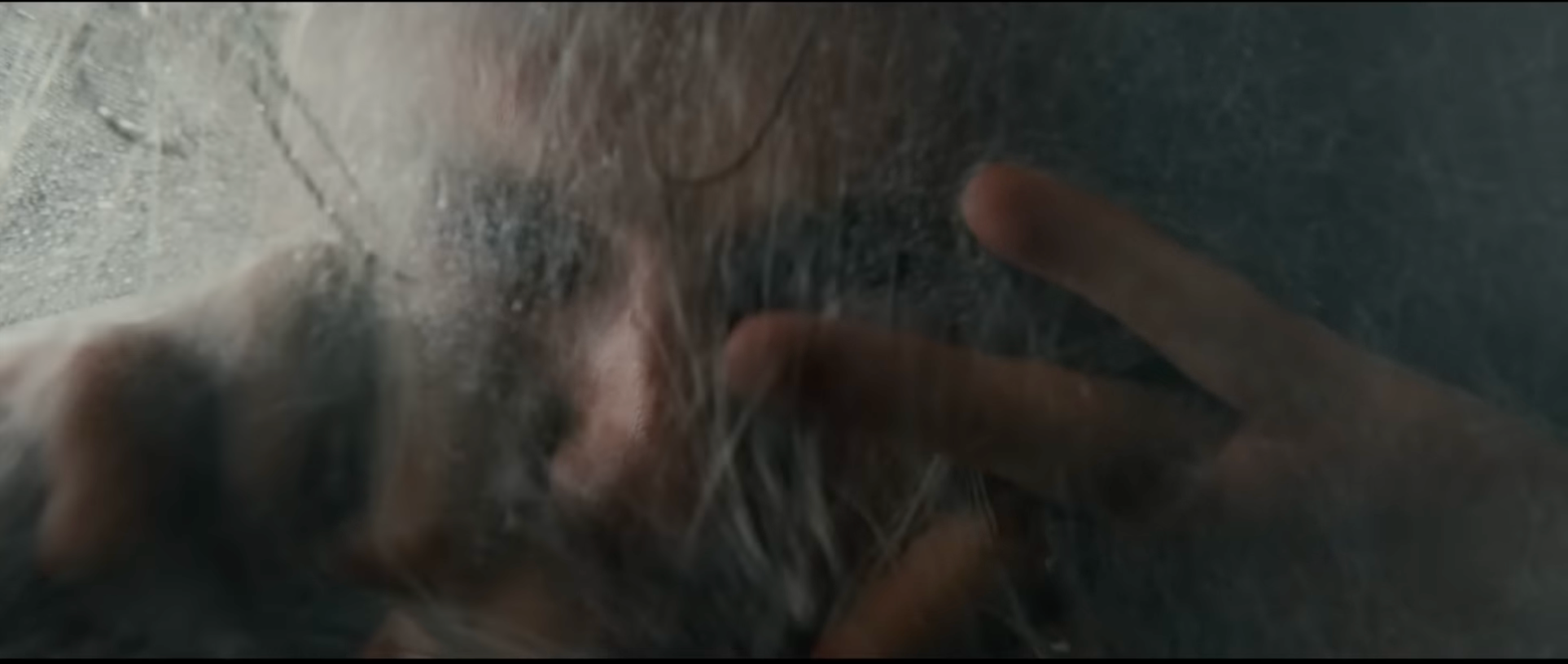
Peter Parker's body is undergoing drastic changes. His superpowers aren't just enhancing; they are mutating on a whole new level. His senses become unbearably sharp: his body starts producing organic webbing—no longer shooting from devices, but growing from within. One day, he wakes up to find himself wrapped in a layer of spider cocoon.
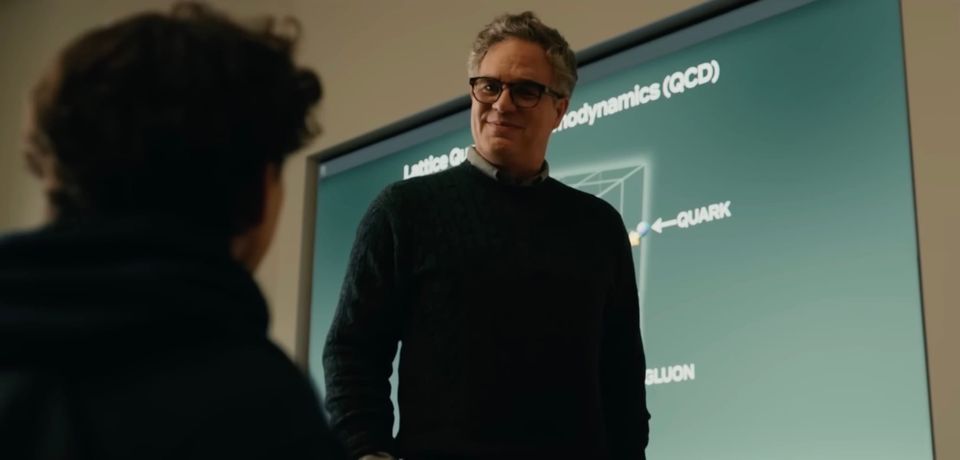
Doctor Banner's diagnosis is unsettling: "If his DNA is mutating, that would be extremely dangerous."
The trailer explains the three life cycles of a spider via voiceover: in between cycles, spiders become incredibly fragile and vulnerable to all kinds of threats. But those that survive will experience a rebirth.
This process of superpowers spiraling out of control is the perfect metaphor for adolescence.
Adolescence isn't just about physical maturity. In this stage, a young person's perception, self-awareness, and the energy they use to face the world expand rapidly. They start feeling anger towards injustice, a longing for love, anxiety about the future, and confusion about themselves. All these feelings are dialed up to maximum volume. Just like Peter's heightened spider-sense, a single drop of water is enough to make him break down.
This newly birthed power is incredibly strong, but for Peter, taming and understanding it is filled with a tearing agony. Today's young people face overwhelming academic pressure, peer relationships, social media comparisons, and even the struggle for self-identity; their inner worlds are often in turmoil. If that youthful energy lacks a proper outlet, it turns into self-destructive pain: anxiety, depression, self-harm, or isolating themselves in a virtual world.
But the most moving part of the trailer isn't the loss of control. It's the choice Peter makes.
He proactively seeks out Doctor Banner.
Why Banner? Because Doctor Banner is the person in this universe who best understands the terror of "harboring an uncontrollable, immense power within." Having coexisted with the Hulk for years, he knows the feeling of being torn apart by one's own strength.
Facing drastic changes and unknown responsibilities, young people desperately need a "Banner"—not a flawless hero, but someone who has struggled, fallen, and survived their own powers. What they need isn't condescending lectures or standard "what you should do" answers. They need a guide who understands their out-of-control anxiety, embraces their insecurities, and walks alongside them as they learn to coexist with their strength.
The line from the trailer is worth chewing on:
"Between cycles, a spider becomes incredibly fragile. But those that survive will experience a rebirth."
Not all loss of control leads to destruction. Sometimes, it is the prelude to transformation.
The seemingly rebellious, apathetic, or internet-addicted young people around us might all be hiding a soul going through a "cycle transition," much like Peter Parker beneath his mask. They aren't broken; they are transforming. They don't need to be fixed; they need to be caught.
💡 Finding a Way Out: For the Youth in Transformation
"I am not broken; I am becoming a new me. But I don't have to push through it alone."
Peter did something many young people are afraid to do, yet it is crucial: he actively asked for help. In a culture that glorifies "self-reliance," admitting "I can't handle this" takes immense courage. But the truth is: Spider-Man needs Doctor Banner. Admitting you need help isn't a sign of weakness; it is the beginning of learning.
One of the core concepts in Strong Minds (by Noel Brick and Scott Douglas) is that mental toughness isn't innate; it can be trained. Like a muscle, your inner strength needs deliberate practice to grow. But here is the key:
Training mental toughness doesn't mean suppressing your feelings or "pretending to be strong." Instead, it is about learning to honestly face your condition, identify your emotions, understand the sources of your stress, and then consciously choose how to respond.
The image of Peter wrapped in a cocoon is actually a symbol of hope. A cocoon isn't a tomb; it is a space for transformation. The most painful changes often occur in the most enclosed moments.
The authors of Designing Your Life say, "Designers don't think their way forward. Designers build their way forward." When you feel like everything is out of control, you don't need to figure everything out at once. You can try doing just one thing: find your "Doctor Banner."
That person could be a teacher, a pastor, an older friend—anyone who makes you feel, "I don't have to pretend in front of them." Then, bravely speak up. You might awkwardly say, just like Peter, "Hi, you don't know me, but I need your help."
That is okay. That is the first step of transformation.
In The Freedom of Self-Forgetfulness, Timothy Keller ultimately points to a deeper hope: true freedom isn't just about no longer being defined by others' opinions, but discovering that there is One who already knows you and has already called your name. Spider-Man couldn't find a single person in the whole city who knew him. But the Gospel tells us that there is One who knew you long ago, who called your name before you were forgotten.
You don't need to wait for the whole world to remember you to know who you are.
💡 Finding a Way Out: For Companions and Parents
"Don't try to control their transformation—learn to be their Doctor Banner."
Why is Doctor Banner a good guide? Because he possesses three traits:
- First, he understands the fear of losing control. He was once torn apart by an uncontrollable power within himself. He wouldn't tell Peter, "You're overthinking it" or "Don't worry." He understands that the fear is real.
- Second, he provides knowledge and frameworks, not commands. He helps Peter with body scans and DNA analysis, helping him understand what is happening. He doesn't tell Peter "what you should do," but helps him "see clearly what you are experiencing."
- Third, he is present. Even though he doesn't know Peter, and even though it's not his responsibility—he still chooses to be there.
There is a concept in Hunt, Gather, Parent called Alloparenting. For the vast majority of human history, children were not raised solely by two parents. They were raised by a whole village—grandparents, aunts, uncles, neighbors, and older children. Modern nuclear families concentrate all the pressure on parents, but the reality is: a young person's transformation needs more than one Doctor Banner.
- If you are a parent: don't feel like you must bear the entire responsibility of guiding them alone. Actively build a "network of guides" for your child, letting trusted teachers, coaches, pastors, and older friends become the alloparents in their lives.
- If you are a companion: you don't need to have all the answers. You don't even need to have "known" this young person for a long time. Doctor Banner didn't know Peter, but he chose to help him.
The deepest reminder from Parenting with Hope is: the ultimate driving force of parenting is not fear, but hope. It is not the fear of "if I don't control him, he'll go bad," but the hope of "I believe in the person this young person is becoming."
Peter in the cocoon looks like he is being destroyed. But it is actually a process of rebirth. The young person you are accompanying today—that seemingly rebellious, silent, lost, and out-of-control youth—might be going through the most crucial "cycle transition" of their life.
Please do not leave them in their most vulnerable moments. Because the young person you catch today might become the superhero who catches someone else tomorrow.
Epilogue: To All the Upside-Down Youth
Three articles, three metaphors, one path.
- Part One: We saw the wound—souls isolated on social media islands, longing to be known.
- Part Two: We saw the burnout—young warriors on the verge of collapsing under dual masks.
- Part Three: We saw the possibility of transformation—the courage to reach out for help amidst loss of control and fear.
Peter Parker's story tells us: a hero isn't someone who doesn't feel pain. A hero is someone who hurts, who fears, but still chooses to believe that tomorrow will be different.
And you, whether you are the young person in transformation or the companion standing by their side, you are already braver than you think.
Because the true "Brand New Day" isn't when the world finally remembers you. It is when you finally dare to become your true self beneath the mask.
📚 References:
- Timothy Keller, The Freedom of Self-Forgetfulness
- Bill Burnett & Dave Evans, Designing Your Life
- Michaeleen Doucleff, Hunt, Gather, Parent
- Melissa Kruger, Parenting with Hope
- Jonathan Haidt, The Anxious Generation
- Noel Brick & Scott Douglas, Strong Minds